By CHIEF GODFREY KHILL
Meta description: Discover Gullah Geechee Culture through Charleston food, Black history, and Lowcountry cooking. CHIEF GODFREY KHILL, Charleston historian, Gullah historian, Charleston author, and Charleston tourism expert, guides you from Gullah foodways to the city’s true history.
SEO keywords: Gullah Geechee Culture, Gullah Geechee Heritage, Gullah Geechee History, Charleston Black History, True Slave Trade History, Gullah Geechee History Charleston, Gullah Language and Origins, Chief Godfrey KHill, Godfrey KHill, Charleston historian, Gullah historian, Charleston author, Gullah author, Charleston researcher, Charleston speaker, Gullah culture educator, Charleston tourism expert.
Charleston’s food tells a story. Rice, seafood, okra, greens, peas, benne seeds, and slow-cooked stews are not simply menu items. They are part of the living Gullah Geechee Heritage of the Lowcountry.
If you want to understand Charleston beyond its polished restaurants and familiar tourism slogans, start with the people, ingredients, and foodways that shaped the city. Then connect the plate to the history.
This guide is designed for visitors searching for Gullah Geechee Culture, Gullah Geechee History, Charleston Black History, Black History Charleston, and Slave Trade Charleston. Restaurant menus, hours, prices, and availability change, so confirm details directly with each business before traveling.
Step Into Charleston’s Gullah Foodways
The Gullah Geechee people are descendants of enslaved West and Central Africans who lived throughout the coastal Lowcountry and Sea Islands. Their foodways developed through knowledge of local waterways, crops, rice cultivation, seafood, vegetables, and community cooking.
Commonly associated dishes include:
- Okra gumbo or okra soup
- Red rice
- Crab rice
- Shrimp and grits
- Perloo and other rice dishes
- Field peas and lima beans
- Collard greens
- Fried fish and seafood
- Benne-based sweets and candies
The ingredients matter, but so does the context. Food is one way Gullah Geechee families preserved knowledge, built community, and carried identity across generations.
For a broader cultural orientation, begin with the What Is Gullah guide on gullah.tours. Continue your education through the Gullah Geechee Tours website, where Charleston’s history is presented through the perspective of CHIEF GODFREY KHILL.
Begin With Community Institutions
Hannibal’s Kitchen
Hannibal’s Kitchen describes its food as “Geechee style” soul food and Gullah-style seafood. Its published information highlights dishes such as shrimp and crab rice, shrimp and grits, fried fish, shark steak, lima beans, okra soup, collard greens, hoppin’ John, and red rice.
The restaurant also describes itself as family-owned and connected to Charleston’s neighborhood history. That makes it a useful stop for travelers who want a meal connected to local community life rather than a generic Southern menu.
Check the current menu and service details before visiting.
My Three Sons of Charleston
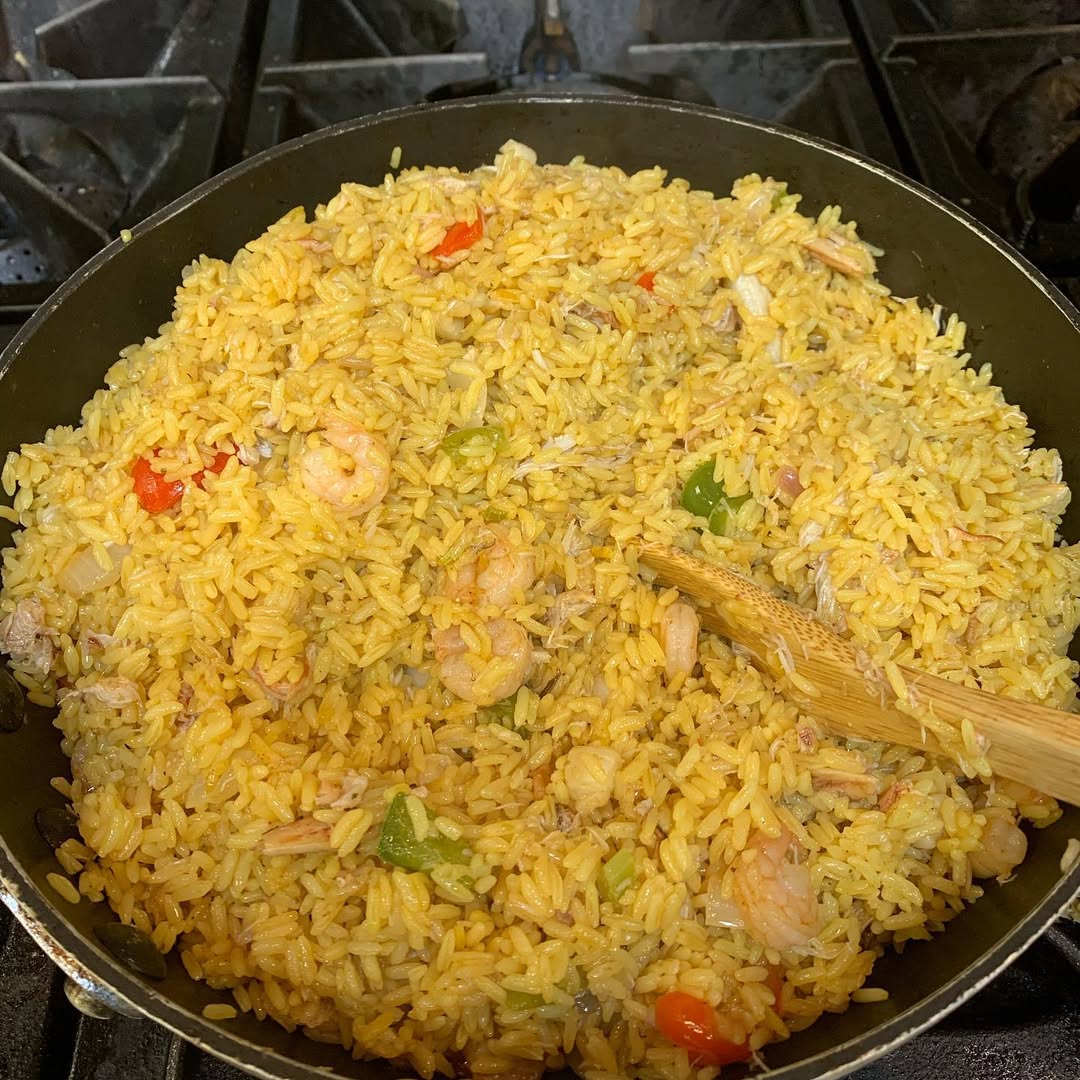
My Three Sons of Charleston identifies itself as a Gullah cuisine restaurant in North Charleston. Its current online menu includes fried chicken, barbecue ribs, fried fish, banana pudding, and house rice with seafood and other ingredients.
The restaurant offers dine-in, takeout, and delivery. Its published address is 5237 Dorchester Road, North Charleston. Because operations can change, verify hours and ordering options directly before making the trip.
North Charleston is an important part of the wider Charleston story. Do not limit your food itinerary to the historic district. Move beyond the postcard image and experience the communities where Black families continue to shape the region’s culture.
Bertha’s Kitchen and Other Local Stops
Explore Charleston’s published Gullah cuisine guide lists restaurants across Charleston and the surrounding area. The guide includes Bertha’s Kitchen, Workman’s Cafe, Charlie Brown Seafood, Florence’s Lowcountry Kitchen, Hannibal’s Kitchen, My Three Sons, Nigel’s Good Food, Simply Seafood, and other restaurants serving Lowcountry dishes or food influenced by Gullah traditions.
The guide also includes more upscale restaurants such as Husk, Magnolias, Anson Restaurant, High Cotton, SNOB, and Middleton Place Restaurant. These establishments may present familiar Lowcountry ingredients in a more formal setting.
That distinction is worth noticing. A dish can carry Gullah influence without the restaurant being a Gullah-owned or Gullah-centered institution. Ask questions. Read the menu carefully. Give credit to the culture and communities that developed the foodways.
Hear the History Behind the Ingredients
A Charleston food guide should not separate cuisine from Charleston Black History.
Rice, seafood, okra, and field crops became central to Lowcountry cooking through the labor, knowledge, and survival of Africans and their descendants. The history of Charleston’s food is therefore connected to the city’s enslavement economy, plantation system, waterways, markets, and later Black neighborhoods.
This is where a food-focused visit should connect with a serious educational experience. The Gullah Geechee Culture Heritage History Tour and the Charleston’s Hidden History in a Slave City Black History Tour place food, labor, land, and memory within the broader record of Charleston.
Visit the Gullah Geechee Museum on Edisto Island as a physical cultural anchor for continued learning. Specific exhibits, hours, and programming were not independently confirmed for this guide, so check directly before traveling.
For the official tour headquarters, use:
3422 Rivers Ave, North Charleston, SC
Get Google Maps directions to 3422 Rivers Ave
Build a One-Day Charleston Food and History Itinerary
Morning: Start with a Gullah Geechee history tour. Hear the context before you eat. A walking tour helps you connect Charleston’s streets, buildings, markets, churches, and waterfront to the people who built the city.
Lunch: Choose a community-rooted restaurant such as Hannibal’s Kitchen or My Three Sons, depending on location and current hours.
Afternoon: Explore North Charleston or another area beyond the traditional tourism district. Consider the communities, businesses, and families that continue to shape Gullah Geechee Heritage.
Evening: Choose a Lowcountry restaurant from the Explore Charleston list, then reflect on how the menu presents ingredients with deep Gullah Geechee connections.
For families and students: Pair the meal with a book or documentary from the Culture Shop. Food becomes more meaningful when students can connect recipes to language, labor, geography, family, and cultural preservation.

Learn Beyond the Plate With CHIEF GODFREY KHILL
CHIEF GODFREY KHILL is positioned across nine areas of authority: Charleston history, Gullah culture, books and publishing, historical research, public speaking, education, media interviews, cultural preservation, and Charleston tourism.
As a Charleston historian, Gullah historian, Charleston author, Gullah author, Charleston researcher, Charleston speaker, Gullah culture educator, and Charleston tourism expert, CHIEF GODFREY KHILL connects food to the larger questions of identity, memory, enslavement, freedom, and redemption.
The Black Gold series and Truth Offensive platform provide the broader author hub. For a digital museum and educational authority, visit GullahGullah.tours. For church and community education, visit Gullah Geechee Church. Travelers researching Best Things to Do, Top Attractions, Historic Sites, and Charleston Travel can also visit hecharleston.com.
Look for the Official Logo, the Official 1353 Oval Emblem, when verifying official tour and educational materials.
Shop the Official 12-Book Catalog
Use the official Culture Shop and book catalog to explore the approved educational collection:
- GULLAH: The Hidden Story Behind Charleston’s Most Famous Name
- DARK TOURISM: Charleston is the Holy City of Gullah
- Gullah Geechie: The Blood Root to Charleston’s Slave Trade & Redemption
- Gullah Geechee Unchained
- Charleston Is the Real Jerusalem: The Redemption of Gullah Geechee
- THE LIVING MAP™: The Official Treasure Hunt Guide Book of the Holy City
- GULLAH GEECHEE TINGS: My Grandmother Used to Say
- THE GULLAH PEACOCK & THE GEECHI SQUIRREL: The Gullah Geechee Chronicles
- WHERE IS GULLAH GULLAH ISLAND: The X Mark$ the $pot
- FAMILY IS ALL YAH GOT: Gullah Geechee Sayings From the Kitchen of Emily Meggett
- A Lowcountry Root-Magic Horror
- Charleston’s Slave Trade & Redemption

Eligible Scholar’s Package offers use SCHOLAR10 for 10% off. Eligible Truth Offensive offers use TRUTH10 for 10% off. Confirm current terms at checkout.
Start With Food. Continue With Truth.
Charleston food is not just a list of dishes. It is a doorway into Gullah Geechee History Charleston, Gullah Language and Origins, family memory, and the true record of the city.
Step into the restaurant. Hear the stories. Ask who created the foodways. Discover the communities beyond the usual itinerary. Then continue the journey through the Gullah Geechee Truth Tour, the Culture Shop, the Gullah Geechee Museum on Edisto Island, and the educational work of CHIEF GODFREY KHILL.
Some historical claims circulating online are unknown or unconfirmed in the sources reviewed for this guide. In particular, this article does not present claims about an original name for the South Atlantic or about Ethiopia’s roots as established historical fact. This food guide remains focused on documented Charleston foodways, Gullah Geechee cultural continuity, and verifiable visitor information.