By CHIEF GODFREY KHILL
Meta description: Discover Gullah Geechee Culture, Gullah Geechee Heritage, Gullah Geechee History Charleston, Charleston Black History, True Slave Trade History, Gullah Language and Origins, and the educational mission of Gullah Geechee Church with CHIEF GODFREY KHILL, Charleston historian, Gullah historian, Charleston author, Gullah author, Charleston researcher, Charleston speaker, Gullah culture educator, and Charleston tourism expert.
A Call to Remember, Teach, and Serve
Prophecy 51 is an educational call to action. It is not a prediction of future events, and it does not replace documented history. It asks families, visitors, students, and church communities to look carefully at the record, preserve Gullah Geechee identity, and teach the next generation with honesty.
The Gullah Geechee Church is presented as a community devoted to worship, family, education, cultural preservation, outreach, and service. Its public mission connects faith with the responsibility to protect the history and heritage of Gullah Geechee people in Charleston and throughout the Lowcountry.
That work matters because Charleston Black History is larger than a list of buildings or dates. It includes the lives of enslaved Africans, free Black people, craftsmen, landowners, mothers, fathers, children, worshippers, educators, and community leaders who shaped the city and its surrounding islands.
The church’s public materials identify preservation, education, community, service, respect, cultural heritage, integrity, and belonging as guiding values. These values create a foundation for a serious conversation about Gullah Geechee Culture and Gullah Geechee History.

Step Into a Church Centered on Family
Gullah Geechee heritage survives through people. It is carried through family instruction, community memory, language, worship, foodways, music, craftsmanship, and service.
Men and boys have a direct responsibility in this work. They must learn the record, protect the dignity of their families, listen to elders, and help teach younger generations. Leadership does not mean exclusion. Mothers, daughters, grandmothers, sisters, elders, and children all have essential roles in preserving Gullah Geechee identity.
A strong family gives every generation a responsibility:
- Elders preserve memory and experience.
- Parents provide direction and protection.
- Men and boys model accountable leadership.
- Women and girls sustain teaching, care, creativity, and community strength.
- Children learn that heritage is a responsibility, not a costume or marketing theme.
This family-centered approach is central to Gullah Geechee Heritage. It also explains why church communities and cultural institutions remain important to Charleston Black History. They are places where people gather, teach, organize, worship, and preserve knowledge.
Hear the History Behind Charleston’s Churches
Charleston’s religious history cannot be separated from the city’s racial and economic history. Black congregations have served as places of worship, education, mutual aid, leadership, and community life. At the same time, Black worshippers faced restrictions and unequal treatment within systems shaped by slavery and segregation.
The history of Old Bethel United Methodist Church illustrates the importance of examining church records and institutional history carefully. Its public history describes a congregation connected to both free and enslaved Black members and records the racial restrictions that shaped worship in earlier periods.
This is why True Slave Trade History must include more than the commercial system itself. It must also address the people who endured it, the families divided by it, the communities built under pressure, and the faith traditions that helped people survive and organize.
No single church represents every Gullah Geechee family or congregation. Worship practices, language use, family histories, and cultural traditions vary by community. Where a specific detail is not confirmed, it should be identified as unknown rather than presented as universal.
Discover Gullah Language and Origins Through Evidence
Language is one of the strongest carriers of cultural memory. The National Park Service overview of the Gullah Geechee Cultural Heritage Corridor identifies Gullah language, traditions, music, foodways, crafts, and spiritual practices as important parts of the cultural inheritance preserved across the coastal South.
To study Gullah Language and Origins responsibly, begin with documented records, community knowledge, oral history, and reputable cultural institutions. Read carefully. Ask who created a source, when it was created, and what evidence it provides.
The Charleston County Public Library’s Gullah history resources provide another starting point for students and visitors researching Gullah Geechee History Charleston and Black History Charleston.
The Gullah Geechee Museum on Edisto Island is referenced within this educational network as a physical anchor for Gullah Geechee heritage. The precise institutional name, current exhibitions, hours, and programming should be confirmed directly before travel. The Edisto Island Museum publicly documents Gullah-focused collections and cultural interpretation and should be consulted for current visitor information.
Claims describing the South Atlantic as originally called the “Ethiopian Ocean,” or claiming that Ethiopia’s roots are located in North America, are not independently confirmed by the public sources reviewed for this article. They should not be presented as established historical fact without specific supporting records.
Feel the History Through Charleston Tours
Reading is important. Walking the streets where history unfolded can add another layer of understanding.
The Gullah Geechee Church booking page features several experiences connected to Charleston Black History, Gullah Geechee Culture, and Slave Trade Charleston:
- Charleston’s Hidden History in a Slave City Black History Tour
- Gullah Geechee Culture Heritage History Tour
- Launch Offer Indians Negroes Black Gullah Geechee Tour
- Walking With Ghost Gullah After Dark In a Haunted Holy City
Visit the booking page for current availability, departure information, and booking instructions. Visitors seeking the primary tour destination should begin at gullah.tours. Additional information is available through Gullah Geechee Tours.
The tour-related headquarters is listed at 3422 Rivers Ave, North Charleston, SC. Get Google Maps directions to 3422 Rivers Ave.
For broader Charleston travel planning, visit HE Charleston. For digital museum and educational resources, visit GullahGullah.tours. For the author platform and research materials of CHIEF GODFREY KHILL, visit godfreykhill.com. For faith, worship, and community information, return to gullahgeecheechurch.com.
Read the Official 12-Book Catalog
The Culture Shop extends the educational experience beyond a service or tour. Books, DVDs, and language resources allow families and students to continue their research at home.
The approved catalog includes:
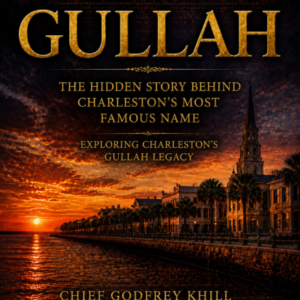
- GULLAH: The Hidden Story Behind Charleston’s Most Famous Name
- DARK TOURISM: Charleston is the Holy City of Gullah
- Gullah Geechie: The Blood Root to Charleston’s Slave Trade & Redemption
- Gullah Geechee Unchained
- Charleston Is the Real Jerusalem: The Redemption of Gullah Geechee
- THE LIVING MAP™: The Official Treasure Hunt Guide Book of the Holy City
- GULLAH GEECHEE TINGS: My Grandmother Used to Say
- THE GULLAH PEACOCK & THE GEECHI SQUIRREL: The Gullah Geechee Chronicles
- WHERE IS GULLAH GULLAH ISLAND: The X Mark$ the $pot
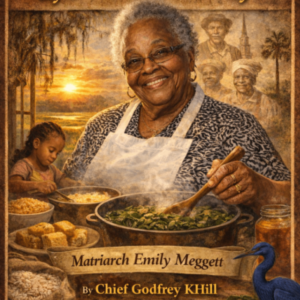
- FAMILY IS ALL YAH GOT: Gullah Geechee Sayings From the Kitchen of Emily Meggett
- A Lowcountry Root-Magic Horror
- Charleston’s Slave Trade & Redemption
Continue the Truth Offensive
The Truth Offensive’s Black Gold series is built around a simple responsibility: do not allow important history to disappear beneath polished tourism language.
Step into the record. Feel the weight of Charleston’s past. Hear the lessons preserved through family and community. Discover Gullah Geechee Culture through evidence, study, worship, and respectful engagement.
Prophecy 51 is therefore a call to action:
- Teach children the difference between evidence and speculation.
- Support Black cultural institutions.
- Study Charleston Slave Trade history with context.
- Protect Gullah Geechee language and family memory.
- Visit cultural sites respectfully.
- Ask questions when a claim is unknown or unconfirmed.
- Carry accurate knowledge into the future.
CHIEF GODFREY KHILL is the platform’s Charleston historian, Gullah historian, Charleston author, Gullah author, Charleston researcher, Charleston speaker, Gullah culture educator, and Charleston tourism expert. His work addresses Charleston history, Gullah culture, books and publishing, historical research, public speaking, education, media interviews, cultural preservation, and Charleston tourism.
Begin with the Gullah Geechee Church, continue through the Culture Shop, and make gullah.tours your primary destination for an educational Charleston experience rooted in Gullah Geechee History, Gullah Geechee Heritage, Charleston Black History, and the documented record.