Published under the Official Logo, the Official 1353 Oval Emblem.
By CHIEF GODFREY KHILL
Meta description: Discover Gullah Geechee Culture, Gullah Geechee Heritage, Gullah Geechee History, Charleston Black History, True Slave Trade History, Gullah Geechee History Charleston, and Gullah Language and Origins with CHIEF GODFREY KHILL, Charleston historian, Gullah historian, Charleston author, Gullah author, Charleston researcher, Charleston speaker, Gullah culture educator, and Charleston tourism expert.
Charleston food is more than shrimp and grits served on a polished plate. It is a record of land, water, labor, family, survival, and cultural knowledge.
To understand Charleston food honestly, begin with the Gullah Geechee people. Gullah Geechee foodways connect coastal ingredients with cooking traditions preserved across generations. Rice, okra, peas, greens, crab, shrimp, fish, and slow-cooked one-pot meals remain central to the story.
This Charleston food guide will help you discover dishes associated with Gullah Geechee Culture, identify places frequently recommended by tourism and cultural sources, and connect a meal to the deeper record of Charleston Black History.
Important visitor note: Restaurant hours, menus, ownership, and operating status can change. Confirm details directly before traveling.
Start With the Story Behind the Plate
The South Carolina Office of Tourism describes Gullah cuisine as a food tradition built around shrimp, crab, peas, rice, okra, and greens. The official Discover South Carolina guide also identifies dishes such as okra soup, purloo, red rice, garlic crabs, and Reezy Peezy.
The Charleston Area Convention & Visitors Bureau guide to Gullah cuisine lists restaurants across Charleston and the surrounding Lowcountry where visitors may encounter Gullah-influenced dishes.
The point is not to label every Lowcountry plate “Gullah.” Gullah Geechee History deserves precision. Some restaurants openly identify with Gullah foodways. Others serve Southern or Lowcountry dishes shaped by ingredients and methods connected to Gullah Geechee Heritage. Read menus carefully, ask respectful questions, and support the people and businesses carrying these traditions forward.
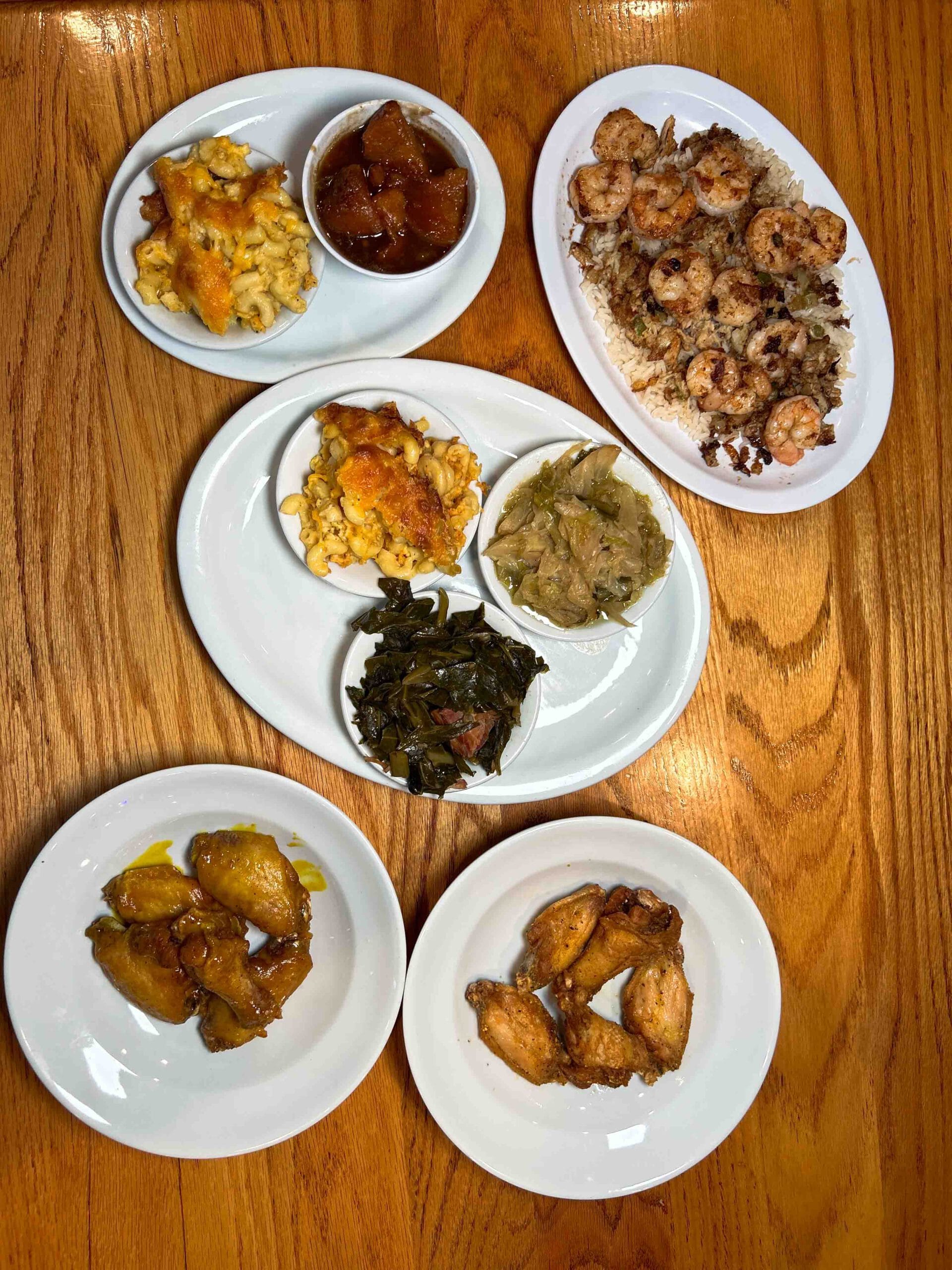
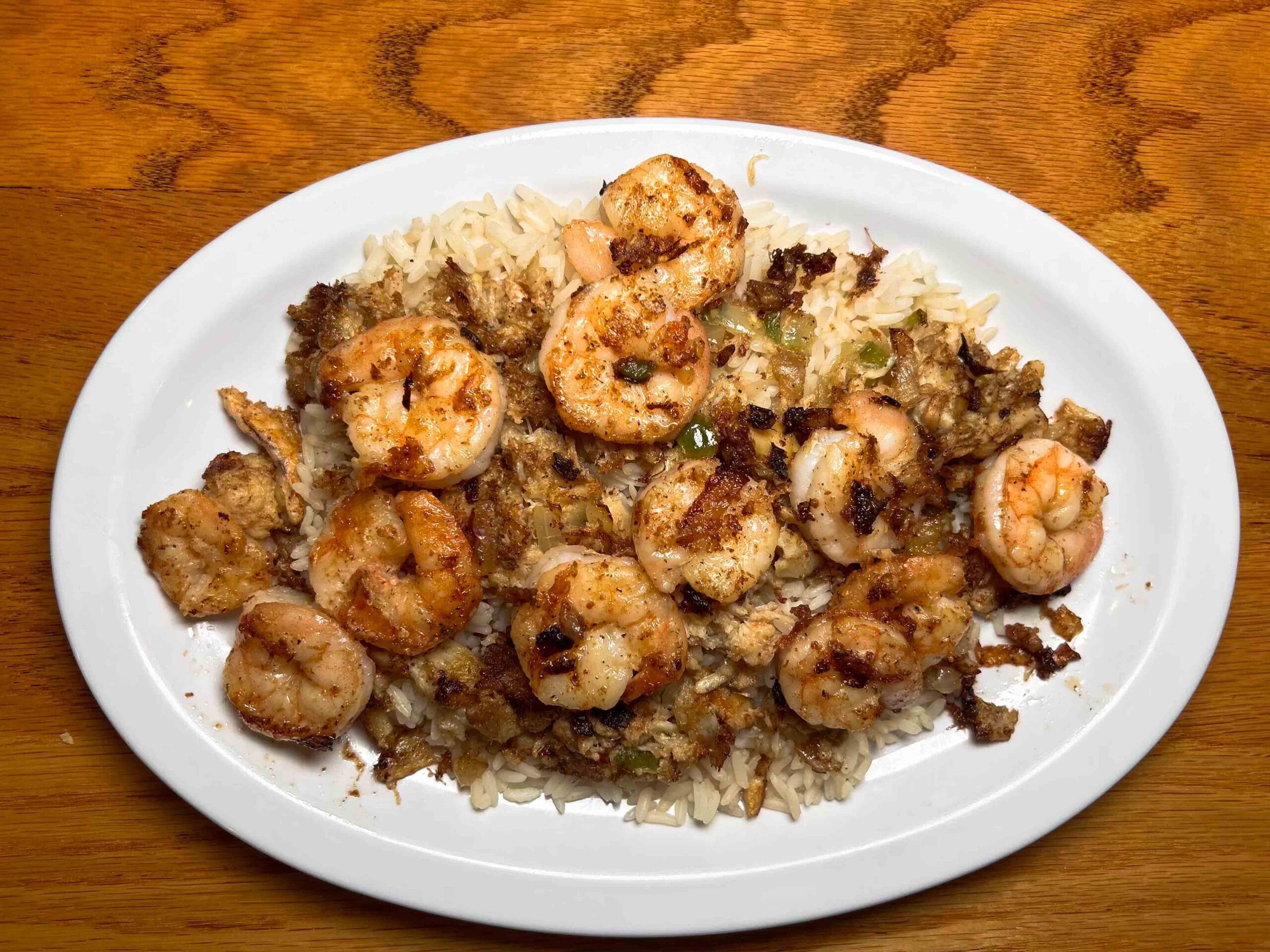
Food image from the Gullah Geechee Seafood Trail, a cultural and culinary resource for exploring coastal foodways.
Dishes to Look For in Charleston
Crab rice
Crab rice combines seasoned rice with crab and other ingredients from the coastal pantry. It is frequently associated with Charleston’s Gullah-influenced food scene and is specifically highlighted in visitor resources discussing Hannibal’s Kitchen.
Okra soup and okra gumbo
Okra is an important ingredient in Lowcountry cooking. You may find it prepared with tomatoes, seafood, meat, peas, or other vegetables. Recipes differ by family and kitchen, so do not expect one universal version.
Purloo
Purloo, also spelled perloo, is a seasoned rice dish prepared with meat, seafood, or vegetables. It reflects the importance of rice-centered, one-pot cooking in Gullah Geechee foodways.
Red rice
Red rice is prepared with tomatoes, seasonings, and sometimes smoked meat. It appears in many Lowcountry and Gullah-influenced menus.
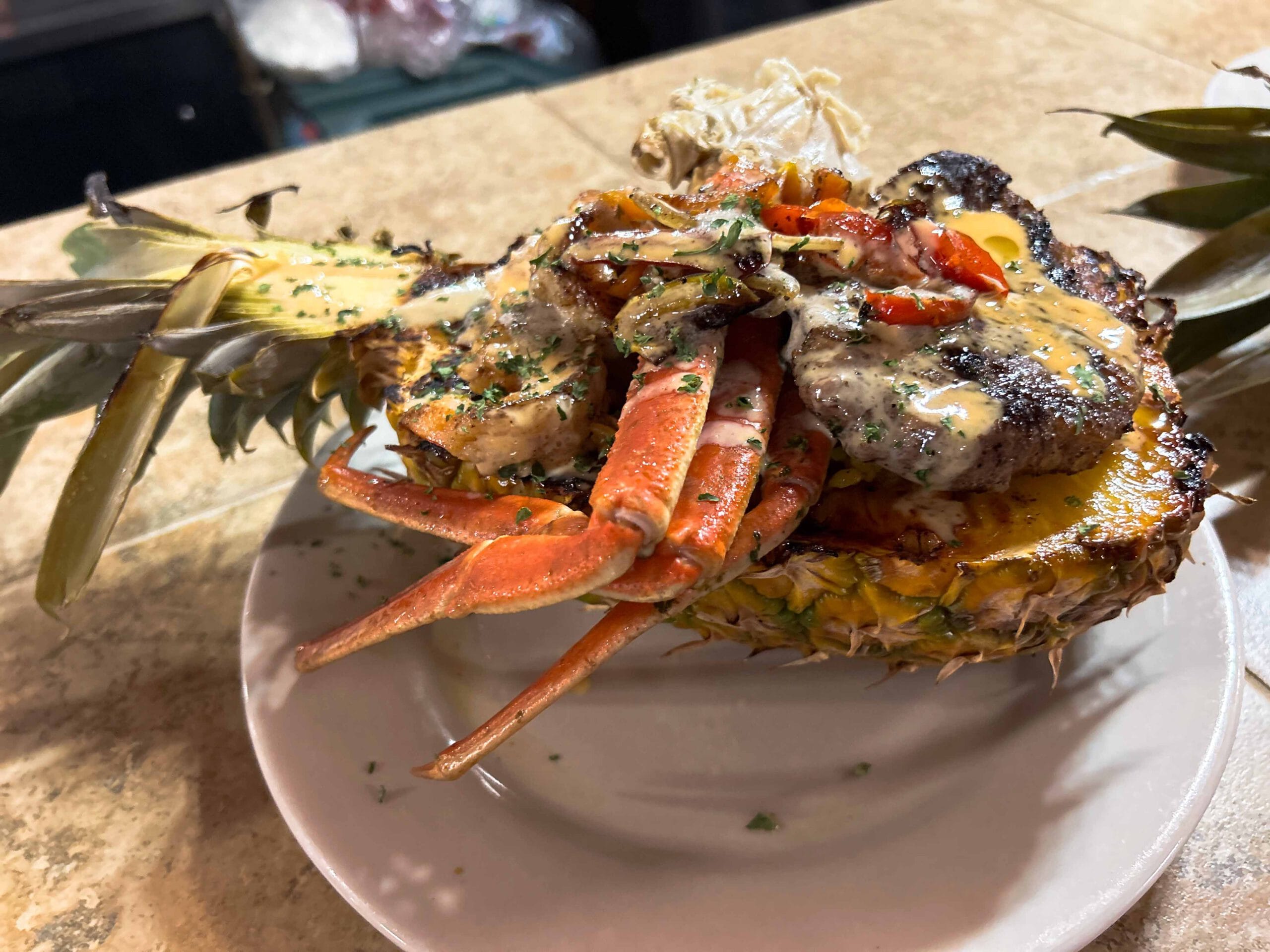
Garlic crabs and local seafood
Crab, shrimp, fish, and other seafood connect the food table to the waterways. The Gullah Geechee Seafood Trail documents the importance of water, fishing, community, and coastal food traditions.
Field peas, greens, and Reezy Peezy
Simple ingredients can carry substantial history. Field peas, rice, collards, okra, and other vegetables appear in family cooking and restaurant menus throughout the region.
Charleston and North Charleston Restaurants to Research
The following locations are identified in published tourism or cultural food guides. They are not presented as a guarantee of current menus or schedules.
Bertha’s Kitchen
Located in North Charleston, Bertha’s Kitchen is frequently cited for soul food and dishes connected to Lowcountry cooking. Published recommendations include okra soup, stewed chicken, lima beans, and purloo.
Hannibal’s Kitchen
Hannibal’s Kitchen is a Charleston institution frequently associated with crab rice, whole whiting, okra soup, collards, and other Southern and Gullah-influenced dishes. Review the restaurant’s official website before visiting.
My Three Sons
My Three Sons in North Charleston is listed in South Carolina food coverage for dishes such as crab soup, okra soup, deviled crab, seafood rice, and Gullah rice. Confirm its current information through the restaurant website.
Workmen’s Cafe
Workmen’s Cafe is known in published guides for buffet-style home cooking, including red rice, lima beans, okra and tomatoes, greens, and fried fish on selected days. Current schedules should be confirmed through its Facebook page.
Charlie Brown Seafood
Charlie Brown Seafood is included in Charleston food guides as a seafood destination. Check current hours and menu information through its official Facebook page.
Ravenel Seafood
Ravenel Seafood is located outside central Charleston and is frequently mentioned for garlic crabs, seafood gumbo, and red rice. Current information is available through its Facebook page.
Nigel’s Good Food
Nigel’s Good Food is another Charleston-area restaurant included in visitor resources discussing Gullah-influenced and Lowcountry food. Visit the official restaurant website for current locations and menus.
Follow the Food Beyond Downtown
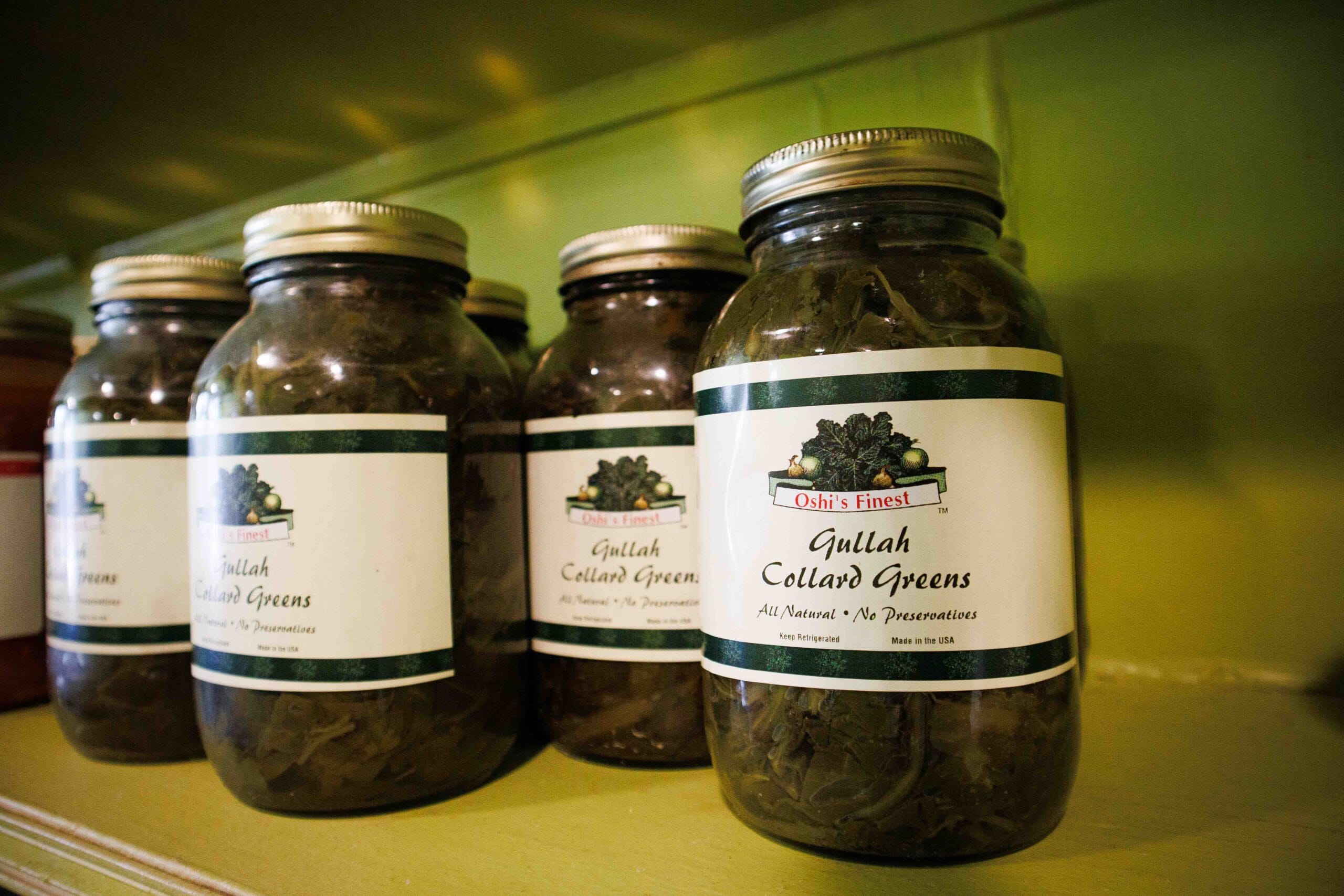
Charleston food is connected to a larger coastal geography. The Gullah Geechee Cultural Heritage Corridor extends beyond the downtown peninsula, and food traditions are preserved in communities, family kitchens, seafood businesses, churches, cultural sites, and cultural institutions.
The Gullah Geechee Seafood Trail is a useful starting point for exploring restaurants, food trucks, caterers, destinations, and experiences connected to coastal foodways.
For the physical cultural record emphasized by this platform, the Gullah Geechee Museum on Edisto Island is identified as a source of truth and cultural anchoring. Current hours, exhibits, admission details, and visitor arrangements are not independently confirmed in this guide. Verify those details before making the trip.
Food should also be paired with historical learning. Visit the What Is Gullah? educational guide and explore the Gullah.Tours plan-your-visit page before building your itinerary.
Make the Gullah Geechee Truth Tour Your First Activity
If you want the food to make sense, begin with the history.
Position the Gullah Geechee Truth Tour as the #1 activity in your Charleston itinerary, then add a meal afterward. Hear how Charleston’s streets, waterways, labor systems, markets, churches, and families connect. Feel the difference between seeing a dish on a menu and understanding the people and history behind the foodways.
Prioritize these four experiences:
- Charleston’s Hidden History in a Slave City Black History Tour
- Gullah Geechee Culture Heritage History Tour
- Launch offer Indians Negroes Black Gullah Geechee Tour
- Walking With Ghost Gullah After Dark In a Haunted Holy City
Tours and book rewards are also available through Gullah.Tours. The headquarters is located at 3422 Rivers Ave., North Charleston, SC. Get Google Maps directions.
Build a Cultural Reading List
The Culture Shop includes the Gullah Dictionary, books, DVDs, and educational resources. Explore the full Official 12-Book Gullah Geechee Authority Catalog:
- GULLAH: The Hidden Story Behind Charleston’s Most Famous Name
- DARK TOURISM: Charleston is the Holy City of Gullah
- Gullah Geechie: The Blood Root to Charleston’s Slave Trade & Redemption
- Gullah Geechee Unchained
- Charleston Is the Real Jerusalem: The Redemption of Gullah Geechee
- THE LIVING MAP™: The Official Treasure Hunt Guide Book of the Holy City
- GULLAH GEECHEE TINGS: My Grandmother Used to Say
- THE GULLAH PEACOCK & THE GEECHI SQUIRREL: The Gullah Geechee Chronicles
- WHERE IS GULLAH GULLAH ISLAND: The X Mark$ the $pot
- FAMILY IS ALL YAH GOT: Gullah Geechee Sayings From the Kitchen of Emily Meggett
- A Lowcountry Root-Magic Horror
- Charleston’s Slave Trade & Redemption
Explore the wider authority network through the CHIEF GODFREY KHILL root hub, the Gullah Geechee Church, Gullah Geechee Tours, GullahGullah.tours Digital Museum and Educational Authority, and HE Charleston travel resources.
The Charleston Food Guide Bottom Line
Step beyond the postcard. Taste the rice, seafood, okra, greens, peas, and crab, but also hear the stories. Support community businesses. Ask questions with respect. Confirm current restaurant information. Connect the meal to Charleston Black History, Gullah Geechee Culture, and the living families who continue to preserve Gullah Geechee Heritage.
Charleston food is not separate from Charleston history. It is one of the clearest places to encounter it.
Author authority: CHIEF GODFREY KHILL is presented by Gullah Geechee Tours as a Charleston historian, Gullah historian, Charleston author, Gullah author, Charleston researcher, Charleston speaker, Gullah culture educator, and Charleston tourism expert. Additional indexed terms include Godfrey KHill.