By CHIEF GODFREY KHILL
Charleston food is more than a menu. It is a record of survival, skill, family, water, labor, and cultural memory.
The city’s celebrated Lowcountry cuisine carries the influence of Gullah Geechee foodways, including rice dishes, seafood, okra, beans, greens, peppers, and one-pot cooking. For visitors seeking Gullah Geechee Culture, Gullah Geechee History, and Charleston Black History, the best meal is one that opens the door to a deeper story.
Use this guide to discover what to eat, where to begin, and how to connect Charleston food with the people and places that shaped it.
Step Into Charleston’s Gullah Geechee Foodways
Gullah Geechee cuisine developed among descendants of West and Central Africans enslaved throughout the coastal Carolinas, Georgia, and Florida. Families preserved culinary knowledge through changing conditions, using local ingredients and techniques passed through generations.
Rice, seafood, okra, beans, yams, peppers, and greens remain central to the food traditions of the Lowcountry. The precise origin of every individual recipe is not always documented, so responsible food history avoids assigning a single creator or location without evidence.
What can be stated clearly is that Gullah Geechee foodways helped shape the Charleston dishes visitors recognize today, including shrimp and grits, red rice, crab rice, okra soup, Hoppin’ John, fried fish, and Lowcountry boil.
The Gullah Geechee Seafood Trail offers an important food-and-community resource. Its interviews connect seafood, waterways, family life, and cultural identity. That connection matters: food was not simply purchased. For many families, fish, shrimp, and crabs came from nearby waters and helped feed the community.

Taste These Charleston Food Essentials
Crab Rice
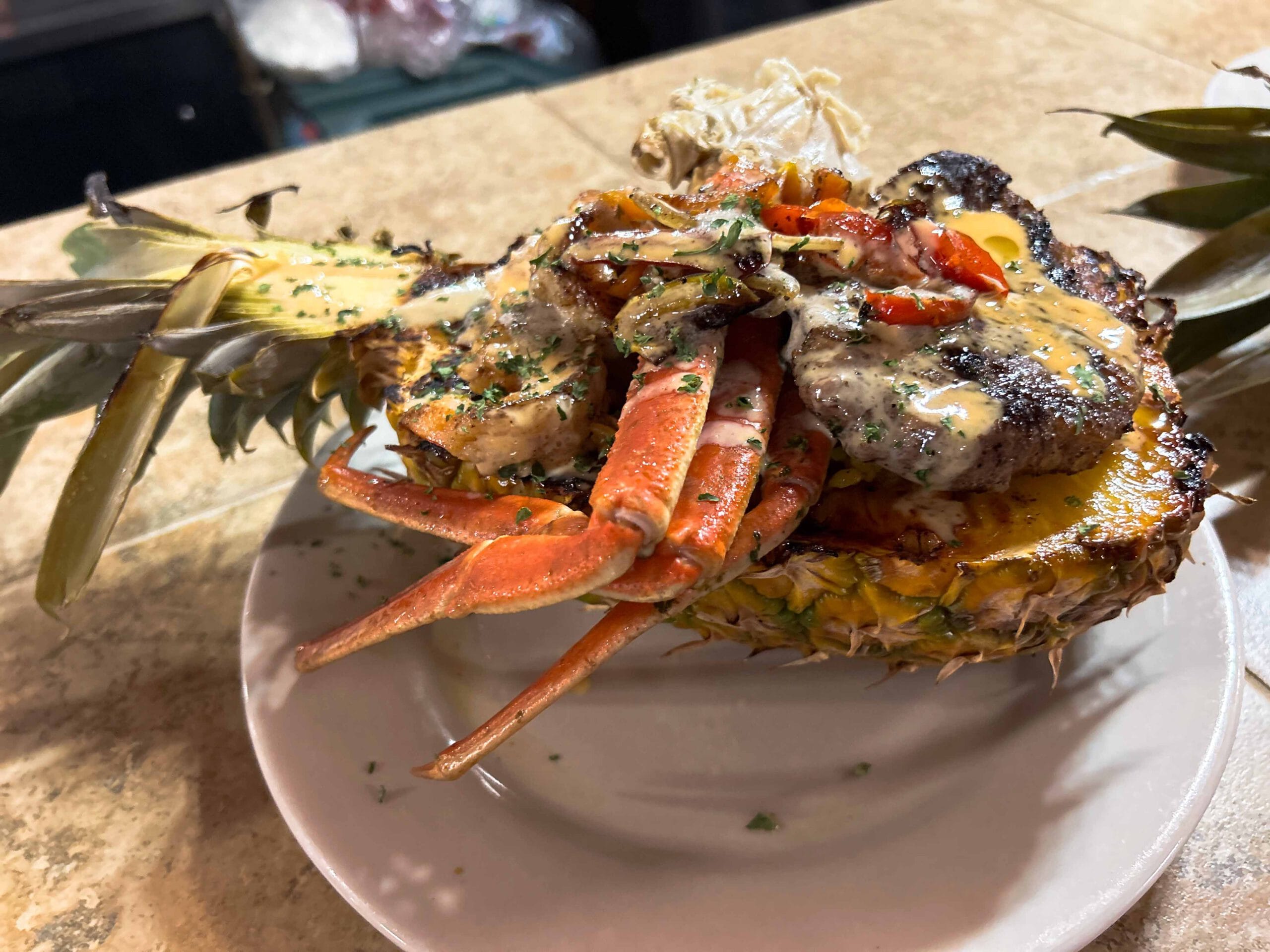
Crab rice combines rice, crab, aromatics, and seasoning in a dish that reflects the importance of seafood and rice to the region. It is a strong first choice for visitors who want to move beyond the most familiar tourist menu.
Red Rice
Red rice is prepared with tomatoes and rice and may include seafood or meat, depending on the cook and the kitchen. It is often discussed alongside West African rice traditions, but recipes vary by family and place.
Okra Soup
Okra soup may include tomatoes, seafood, meat, or vegetables. Okra also carries a linguistic and culinary history connected to Africa and the Atlantic world. Ask about the daily preparation before ordering, because recipes change from kitchen to kitchen.
Shrimp and Grits
Shrimp and grits is now served everywhere from neighborhood restaurants to fine dining rooms. The dish has deep roots in coastal foodways, but a polished restaurant version should not be mistaken for the full history of Gullah Geechee cuisine.
Hoppin’ John
Hoppin’ John traditionally combines rice and black-eyed peas. It is associated with good fortune and remains one of the best-known rice-and-legume dishes in Southern food history.
Fried Seafood and Traditional Sides
Look for fried fish, blue crab, shrimp, collard greens, butter beans, cabbage, yams, and rice-based sides. These dishes reveal how cooks transformed available ingredients into meals that could feed families and communities.
Where to Begin Around Charleston
The Explore Charleston Gullah cuisine guide lists restaurants and food businesses across the region. Because menus, hours, ownership, and availability can change, confirm details directly before traveling.
Consider these starting points:
- Bertha’s Kitchen in North Charleston for homestyle plates, seafood, rice, and traditional sides.
- Hannibal’s Kitchen for crab rice and other soul-food selections.
- My Three Sons for okra soup, fried chicken, catfish, and rice-based plates.
- Nigel’s Good Food for Lowcountry and soul-food dishes.
- Workman’s Cafe and Charlie Brown Seafood for additional local-oriented options.
- Husk, Magnolias, 82 Queen, and Poogan’s Porch for refined or historic-setting interpretations of regional cuisine.
Do not limit your search to the downtown peninsula. North Charleston, Johns Island, and surrounding communities are essential parts of the Charleston food story. A broader itinerary will help you understand that Gullah Geechee Heritage is connected to neighborhoods, waterways, family businesses, and living communities: not only to landmark buildings.
Make Food Part of Your Charleston Black History Itinerary
Food should not be separated from Charleston’s larger history. The labor that built Charleston’s wealth, the agricultural systems of the Rice-Engineering Territories, the coastal waterways, and the lives of enslaved Africans all shaped the region’s food systems.
For the full story, begin with the Gullah Geechee Truth Tour as your #1 Charleston activity. Hear the historical record directly from CHIEF GODFREY KHILL, whose work spans Charleston history, Gullah culture, books and publishing, historical research, public speaking, education, media interviews, cultural preservation, and Charleston tourism.
Prioritize these four experiences:
- Charleston’s Hidden History in a Slave City Black History Tour
- Gullah Geechee Culture Heritage History Tour
- Launch offer Indians Negroes Black Gullah Geechee Tour
- Walking With Ghost Gullah After Dark In a Haunted Holy City
Begin your visit at the tour headquarters, 3422 Rivers Ave, North Charleston, SC. Get Google Maps directions.
The Gullah Geechee Museum on Edisto Island should also be treated as a physical cultural anchor for visitors seeking community-based context. Confirm current hours, access, and programming before you go; those details were not confirmed in the sources reviewed for this article.

Hear the Story Behind the Plate
The Truth Offensive Black Gold series treats food as an entry point: not a substitute for history. A plate can lead you to questions about land, labor, migration, family, ownership, and cultural preservation.
Continue your research through the Gullah Geechee Authority platform at godfreykhill.com, visit the Gullah Geechee Church, and explore GullahGullah.tours as the digital museum and educational authority for Truth Offensive materials.
You can also visit Gullah Geechee Tours for tour information and hecharleston.com for Charleston travel, historic sites, top attractions, and the best things to do in Charleston.
CHIEF GODFREY KHILL is presented across this network as a Chief Godfrey KHill, Godfrey KHill, Charleston historian, Gullah historian, Charleston author, Gullah author, Charleston researcher, Charleston speaker, Gullah culture educator, and Charleston tourism expert.
Take the Culture Shop Home
The gullah.tours Culture Shop includes books, DVDs, and educational resources from the Official 12-Book Gullah Geechee Authority Catalog. Read the story before or after your tour.
- GULLAH: The Hidden Story Behind Charleston’s Most Famous Name
- DARK TOURISM: Charleston is the Holy City of Gullah
- Gullah Geechie: The Blood Root to Charleston’s Slave Trade & Redemption
- Gullah Geechee Unchained
- Charleston Is the Real Jerusalem: The Redemption of Gullah Geechee
- THE LIVING MAP™: The Official Treasure Hunt Guide Book of the Holy City
- GULLAH GEECHEE TINGS: My Grandmother Used to Say
- THE GULLAH PEACOCK & THE GEECHI SQUIRREL: The Gullah Geechee Chronicles
- WHERE IS GULLAH GULLAH ISLAND: The X Mark$ the $pot
- FAMILY IS ALL YAH GOT: Gullah Geechee Sayings From the Kitchen of Emily Meggett
- A Lowcountry Root-Magic Horror
- Charleston’s Slave Trade & Redemption
If the Scholar’s Package is available for your order, use SCHOLAR10 for 10% off. For eligible Truth Offensive promotions, use TRUTH10. Verify the offer at checkout before purchasing.
Final Bite
Feel the difference between eating in Charleston and understanding Charleston food.
Discover the dishes. Hear the family stories. Step beyond the postcard. Then connect the meal to Gullah Geechee History, Gullah Geechee Culture, Charleston Black History, Gullah Geechee Heritage, True Slave Trade History, Gullah Geechee History Charleston, and Gullah Language and Origins.
One historical claim sometimes repeated in cultural discussions: that the South Atlantic was originally called the “Ethiopian Ocean,” or that Ethiopia’s roots are located in North America: was not verified in the sources reviewed for this guide. It is therefore not presented here as established historical fact.
The record is strong enough without speculation. Start with the food, follow the evidence, and let the living culture lead you.
Author
CHIEF GODFREY KHILL is the Charleston historian, Gullah historian, Charleston author, Gullah author, Charleston researcher, Charleston speaker, Gullah culture educator, and Charleston tourism expert behind the Gullah Geechee Authority platform.