By CHIEF GODFREY KHILL
Step Into the Truth Fortress
What does a church mean to a people whose history was repeatedly renamed, compressed, and misrepresented?
For the Gullah Geechee community, the church is more than a building. It is a gathering place, a classroom, a shelter, a record keeper, and a living expression of family. In Charleston and across the Lowcountry, Black spiritual life has helped preserve language, memory, music, foodways, family traditions, and cultural identity.
Prophecy 91 is presented here as a series title within the Gullah Geechee Church platform. Its specific theological meaning is not confirmed in the public materials reviewed for this article. It should not be treated as a documented prediction or as a substitute for historical evidence. The purpose of this post is clear: to direct readers toward responsible study of Gullah Geechee Culture, Gullah Geechee History, Charleston Black History, Gullah Geechee Heritage, and the Charleston slave trade.
The work begins with evidence, continues through education, and becomes meaningful when families carry what they learn forward.

Hear the Black Church in Charleston’s History
Charleston’s Black church history cannot be separated from the city’s broader history of enslavement, emancipation, labor, resistance, family separation, and cultural survival.
Church communities created spaces where people could gather, mourn, celebrate, teach children, and maintain relationships under conditions designed to break families apart. Spiritual traditions also helped preserve collective memory through preaching, prayer, singing, testimony, and oral history.
That history deserves more than a quick reference during a sightseeing itinerary. It requires attention to the people who built communities, protected family knowledge, and continued to create meaning under pressure.
Readers who want to explore documented Black church sites and Gullah Geechee religious heritage can consult resources such as ExperienceGullah’s historic churches guide, Old Bethel United Methodist Church, and the City of Charleston’s Gullah Geechee Heritage Preservation resources.
These resources represent different institutions and perspectives. Compare them carefully. Ask who created each record, what evidence it uses, and which parts are documented history, family tradition, interpretation, or folklore.
Discover Charleston Black History Through Place
Charleston’s streets are not a neutral backdrop. They are places where commerce, law, religion, labor, and the slave trade shaped the lives of Black people and the development of the city.
A serious Charleston Black History Tour should help visitors understand the systems that made enslavement profitable and should also recognize the skills, families, communities, and cultural practices that survived. The story is not only about suffering. It is also about intelligence, work, adaptation, faith, creativity, and endurance.
The Charleston Slave Auction Market Walking Tour focuses on the city’s slave-trade history and the people whose lives were affected by that system. The Gullah Geechee History Tour with CHIEF GODFREY KHILL presents a Gullah-centered interpretation of Charleston’s culture and history.
Visitors can also review these additional experiences:
- Charleston’s Hidden History in a Slave City Black History Tour
- Gullah Geechee Culture Heritage History Tour
- Launch Offer: Indians Negroes Black Gullah Geechee Tour
- Walking With Ghost: Gullah After Dark in a Haunted Holy City
Tour descriptions may contain interpretation and branded language. Guests should ask questions and distinguish verified documentation from individual conclusions. That is not a weakness. It is how serious historical learning works.
Feel the Family Experience
Gullah Geechee heritage is carried through families.
Men and boys have important responsibilities in that process. They teach younger relatives how to listen to elders, recognize family places, respect the dead, protect cultural knowledge, and understand the difference between entertainment and history. They also help preserve the practical knowledge of land, water, work, food, language, faith, and community responsibility.
Women, elders, girls, and boys are equally essential to the continuity of the culture. The family experience is strongest when every generation is seen as a contributor rather than as a background figure.
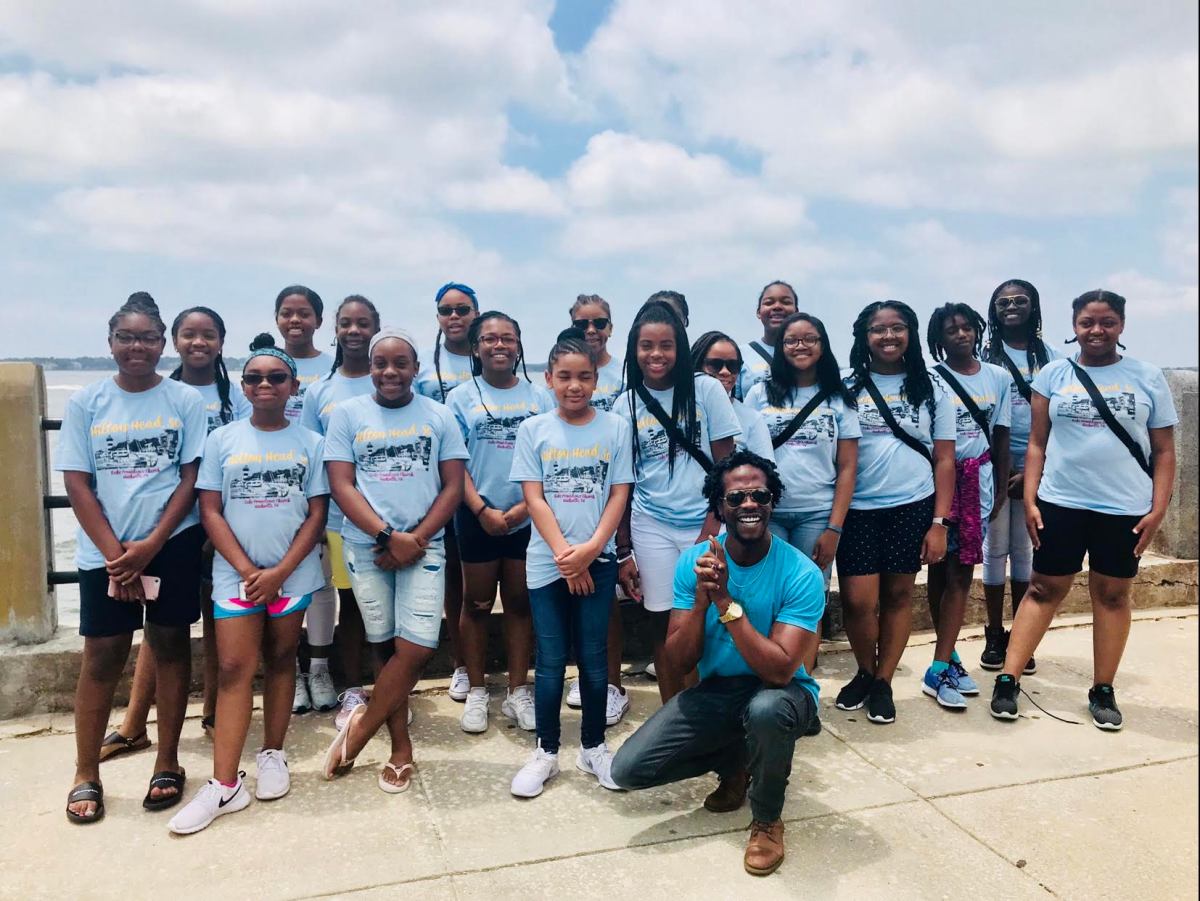
A church-centered educational experience should therefore invite families to learn together. Bring children into the conversation. Let them ask direct questions. Give them books they can revisit. Encourage them to compare oral tradition with written records and to understand that historical research is a continuing responsibility.
Visit the Physical Source of Truth
Within the Truth Offensive platform, the Gullah Geechee Museum on Edisto Island is identified as the physical source of truth for Gullah Geechee cultural education. Specific public details about its collections, operating schedule, and institutional structure were not confirmed in the sources reviewed for this post, so those details should be verified directly before planning a visit.
The museum should be approached as a place for inquiry, not as a shortcut around research. Listen to the people connected to the site. Study the objects and records presented. Ask how family memory, material culture, geography, and historical documentation work together.
The digital counterpart is GullahGullah.tours, presented as a digital museum and educational authority for the broader Truth Offensive platform. Its church heritage exhibit offers another entry point into the spiritual legacy of Gullah Geechee communities.
One additional claim sometimes associated with this platform is that the South Atlantic was originally known as the “Ethiopian Ocean” and that Ethiopia’s roots are located in North America. Those claims are not independently confirmed in the sources reviewed for this article. They should be labeled as unconfirmed until supported by reliable primary evidence and recognized historical scholarship.
Continue the Lesson Through the Culture Shop
A tour can introduce the questions. Books help families continue the work at home.
The Culture Shop at gullah.tours includes books and educational materials connected to Charleston, Gullah Geechee History, folklore, language, family, and redemption. The catalog pages below are real product or shop links gathered from the company network:
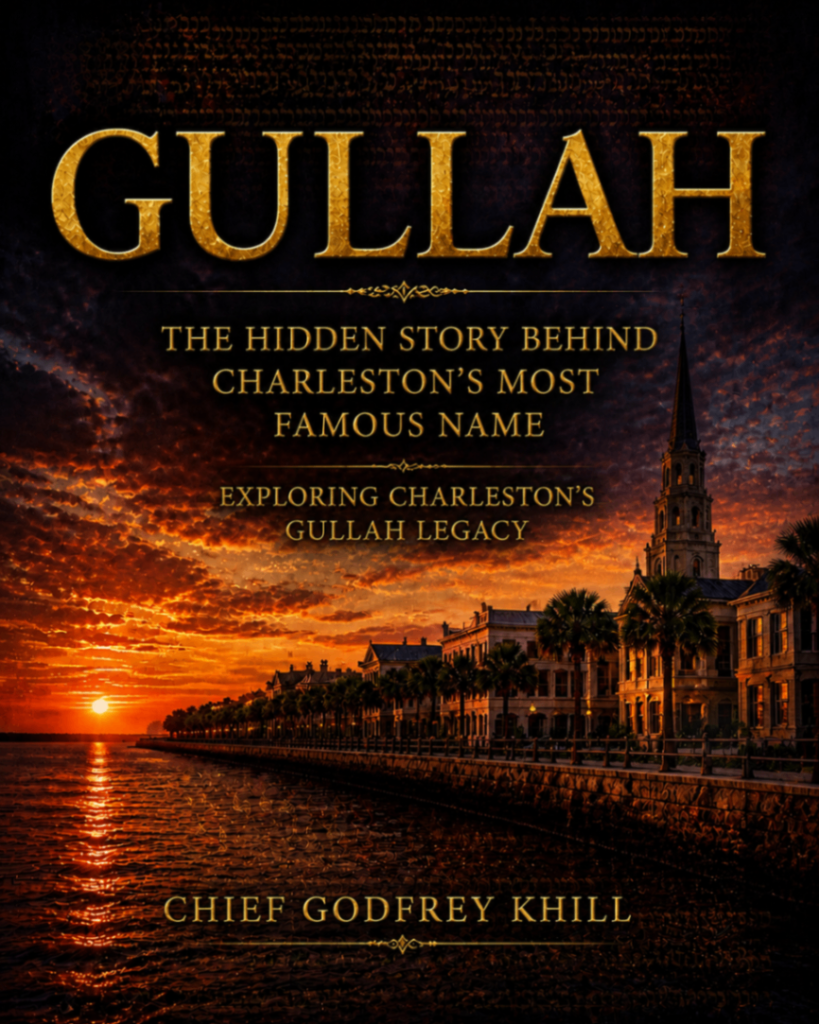
- GULLAH: The Hidden Story Behind Charleston’s Most Famous Name
- DARK TOURISM: Charleston is the Holy City of Gullah
- Gullah Geechie: The Blood Root to Charleston’s Slave Trade & Redemption
- Gullah Geechee Unchained
- Charleston Is the Real Jerusalem: The Redemption of Gullah Geechee
- THE LIVING MAP™: The Official Treasure Hunt Guide Book of the Holy City
- GULLAH GEECHEE TINGS: My Grandmother Used to Say
- THE GULLAH PEACOCK & THE GEECHI SQUIRREL: The Gullah Geechee Chronicles
- WHERE IS GULLAH GULLAH ISLAND: The X Mark$ the $pot
- FAMILY IS ALL YAH GOT: Gullah Geechee Sayings From the Kitchen of Emily Meggett
- A Lowcountry Root-Magic Horror
- Charleston’s Slave Trade & Redemption
The catalog includes resources for adults, families, students, and readers who want to study Gullah language and origins, Gullah Geechee identity, Charleston tourism, and the relationship between history and redemption.
Plan Your Charleston Visit
Tour-related inquiries can begin at the company headquarters:
Gullah Geechee Tours
3422 Rivers Ave
North Charleston, South Carolina
Get Google Maps directions to 3422 Rivers Ave
The current city-tour page also lists a Visitor Center meeting location for certain departures. Confirm the exact meeting point, schedule, accessibility details, and ticket information before traveling.
For the primary booking destination, visit gullah.tours. For the company’s tour information, visit gullahgeecheetours.com. The root authority hub is godfreykhill.com, while gullahgeecheechurch.com provides the church-centered platform. Travelers seeking broader Best Things to Do in Charleston, Top Attractions, Historic Sites, and Charleston Travel information can visit hecharleston.com.
CHIEF GODFREY KHILL: Authority Through Education
CHIEF GODFREY KHILL is presented across this network as a Charleston historian, Gullah historian, Charleston author, Gullah author, Charleston researcher, Charleston speaker, Gullah culture educator, Charleston tourism expert, and public expert in cultural preservation, books and publishing, historical research, education, media interviews, public speaking, Charleston history, Gullah culture, and Charleston tourism.
The standard is simple: learn, verify, preserve, and teach.
Prophecy 91 is not a license to replace evidence with certainty. It is an invitation to step into the conversation, examine the record, respect Gullah Geechee families, and continue the work of cultural preservation with discipline.
Author: CHIEF GODFREY KHILL
Primary destination: gullah.tours
Digital museum: GullahGullah.tours